


True connection is established when it touches people, not screens.
Scroll Down for More Details
With the rapid advancement of the digital age, social media has become an inseparable part of our daily lives. However, for some individuals, the use of social media can turn into an uncontrollable addiction, creating negative impacts on psychological, social, and physical health. Social network addiction is a type of addiction characterized by an individual using social media platforms uncontrollably, neglecting real-life relationships, and feeling uneasy when offline.
In this article, you can find answers to the questions: What is social network addiction, what are its symptoms, how can you recognize its causes, and how can it be treated?
If you observe a few of the following symptoms in yourself, it is important to raise awareness about social media addiction:
✔ Inability to control the time spent on social media.
✔ Constant need to check the phone or computer.
✔ Avoiding real-life activities and spending more time in the virtual world.
✔ Excessive concern with likes, comments, and followers on social media.
✔ Feeling uneasy, anxious, and a sense of inadequacy when offline.
✔ Neglecting daily tasks, academic or professional responsibilities due to social media.
✔ Prioritizing virtual interactions over real relationships.
✔ Disruptions in sleep patterns, lack of focus, and loss of productivity.
If you are experiencing a few of these symptoms, seeking support related to social media addiction is an important step toward a healthy life.
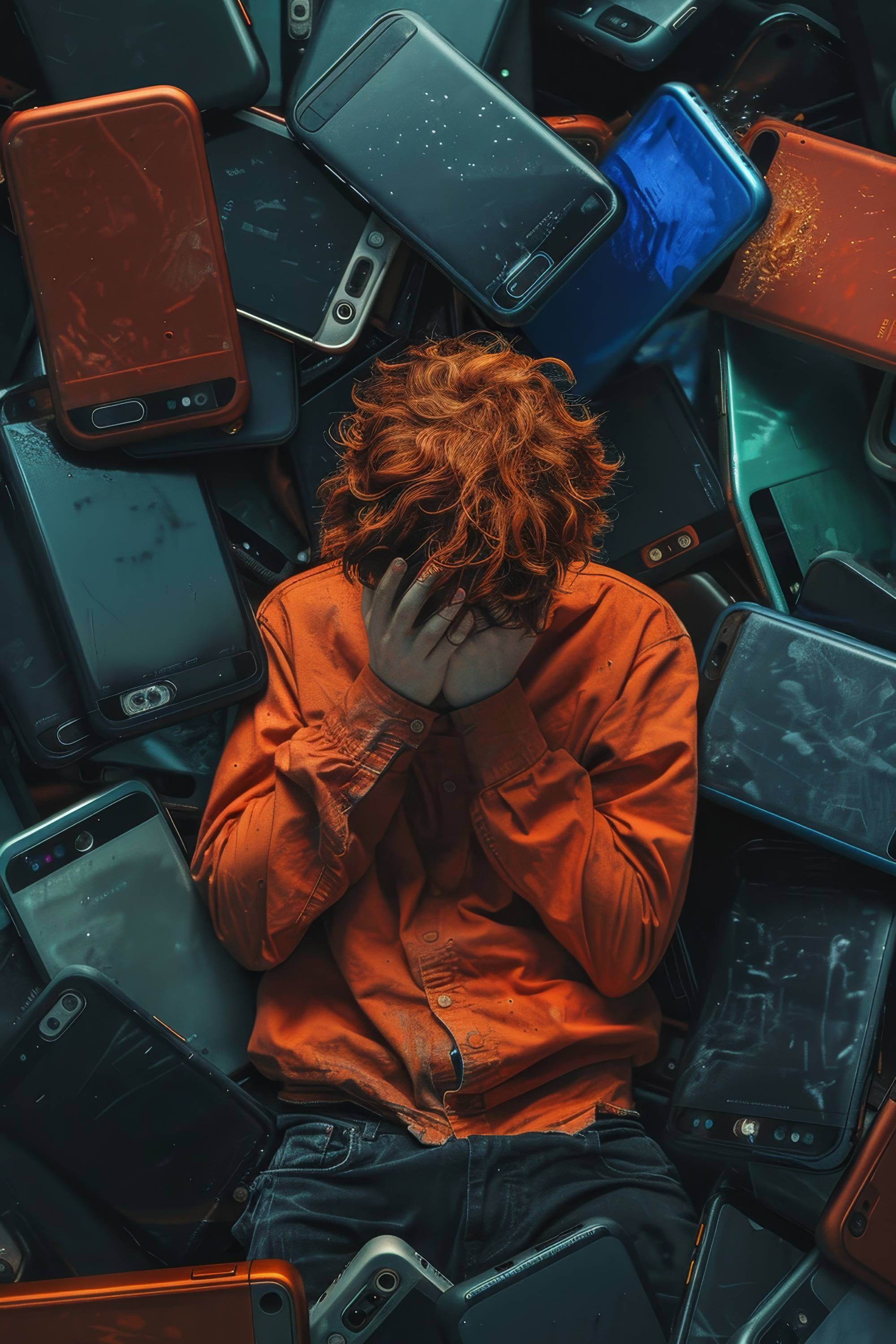
While social media addiction may seem fun and an escape in the short term, it can lead to serious health issues in the long run:
❌ Psychological Problems: Depression, anxiety disorders, and lack of self-confidence.
❌ Attention Deficit: Focus and memory problems due to constant stimuli.
❌ Sleep Disorders: Spending late hours on social media can disrupt sleep patterns.
❌ Social Isolation: When virtual interactions replace real relationships, feelings of loneliness may increase.