


True satisfaction is not about filling the body, but realizing what the soul is hungry for.
Scroll Down for More Details
Eating addiction is a type of addiction where an individual feels an uncontrollable urge to eat for emotional or physiological reasons and struggles to stop this behavior. Overeating or eating addiction is often linked to emotional triggers such as stress, anxiety, or depression and can negatively affect both physical health and psychological well-being.
In this article, you can find answers to the questions: What is eating addiction, what are its causes, symptoms, and how can it be treated?
Eating addiction is when a person continues to eat even though they do not feel physical hunger, cannot stop eating, and this behavior negatively affects their daily life.
This type of addiction is directly related to the brain"s reward system. High-calorie, sugary, and fatty foods increase dopamine secretion, creating a short-term feeling of happiness. However, this situation can lead to uncontrolled eating binges and feelings of guilt.
Eating Addiction and Emotional Connection
📌 The difference between emotional hunger and physical hunger:
Physical hunger is the body"s natural need for food.
Emotional hunger is an artificial feeling of hunger triggered by feelings such as stress, anxiety, or unhappiness.
Individuals with eating addiction often turn to food to cope with negative emotions.
The most common symptoms of eating addiction are as follows:
✔ Uncontrolled eating binges: The person eats large amounts of food without being able to stop.
✔ Eating quickly: Eating much faster than usual.
✔ Emotional triggers for eating: Turning to food during times of stress, unhappiness, or anxiety.
✔ Eating without feeling physical hunger: Eating when not hungry.
✔ Feeling guilty after eating: Regretting after overeating.
✔ Hiding eating habits: Eating less around others and bingeing alone.
✔ Continuing despite health problems: Not being able to change eating habits despite issues such as excessive weight gain, stomach problems, or digestive issues.
If you observe several of these symptoms in yourself or someone close to you, seeking support for eating addiction is important for a healthy life.
1. Biological and Brain Chemistry Factors
🧬 The dopamine mechanism in the brain can lead to food being perceived as a reward.
🔹 Foods high in sugar, fat, and carbohydrates can create effects similar to addictive substances in the brain.
2. Psychological Factors
🔹 Stress, depression, and anxiety disorders can trigger emotional eating habits.
🔹 Low self-esteem can cause a person to turn to food for comfort.
🔹 Traumatic past experiences can create a tendency for overeating to fill emotional voids.
3. Environmental and Social Factors
👥 Family and social environment"s eating habits can influence an individual"s eating behavior.
📺 Advertisements and media can encourage the consumption of unhealthy foods.
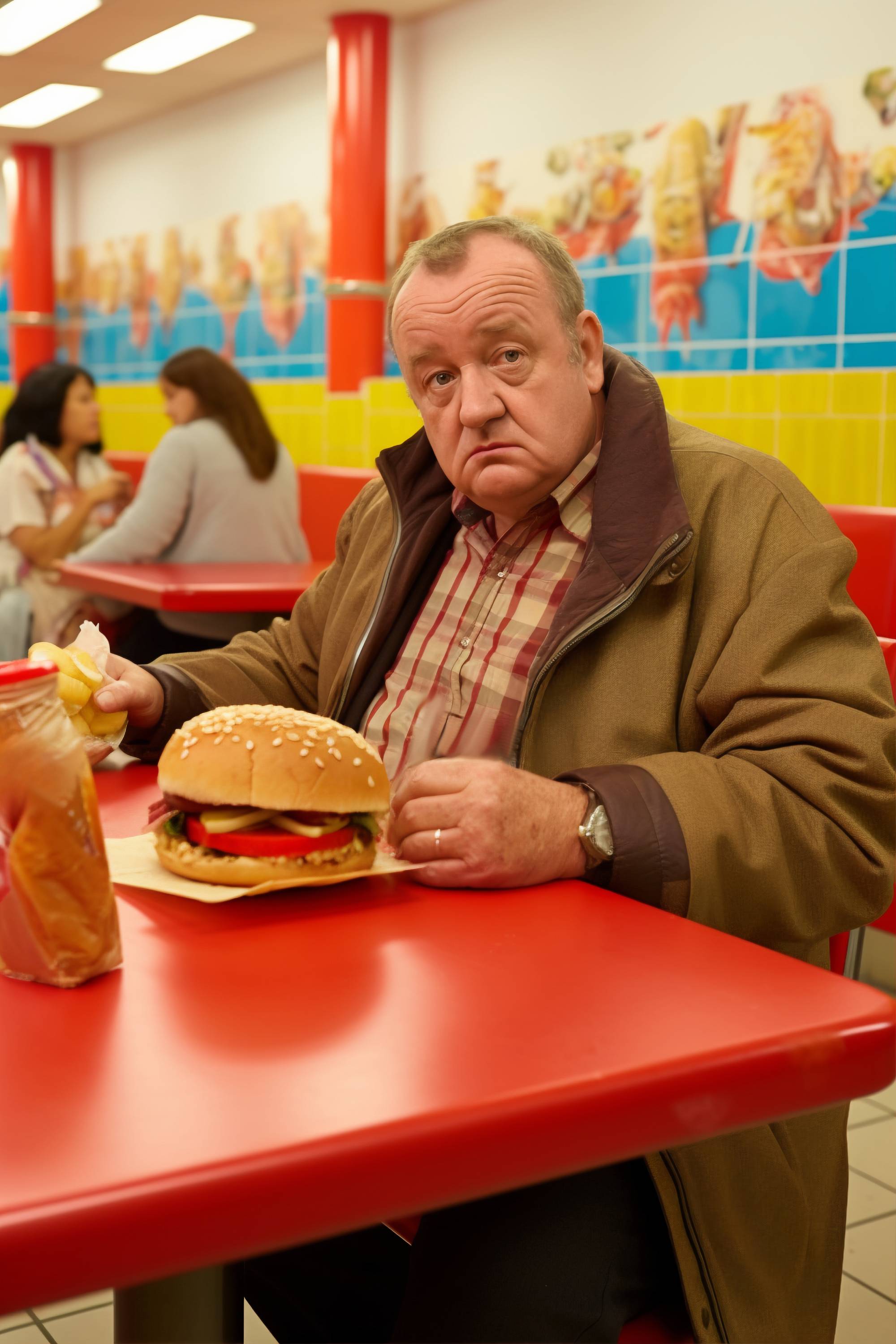
In the treatment of eating addiction, holistic approaches that address both physical and psychological factors should be applied.
1. EMDR Therapy for Eating Addiction
EMDR (Eye Movement Desensitization and Reprocessing) is a therapy method that is particularly effective for emotional eating triggers, traumas, and unconscious processes.
🔹 Helps process unconscious traumas behind eating habits.
🔹 Prevents stress, anxiety, and negative emotions from triggering the need to eat.
🔹 Changes how the brain perceives eating as an "escape mechanism".
🔹 Makes it easier to manage eating binges and helps individuals develop healthier eating habits.
✅ Helps change a person’s false beliefs about food and manage emotional triggers.
✅ Develops new coping mechanisms to control eating binges.
Practical Tips for Managing Eating Addiction
✅ Learn the difference between emotional hunger and physical hunger.
✅ Identify emotional triggers and develop stress management techniques.
✅ Apply mindful eating techniques.
✅ Seek expert support to explore subconscious processes related to your eating habits.
🔍 We are here at Naturata Recovery Hub to answer your questions like: What is eating addiction? What are the symptoms of eating addiction? How is eating addiction treated? 🌱💙